Feeling less steady can change small decisions throughout the day. You might avoid the front steps, hold onto furniture on the way to the kitchen or stop going out because uneven footpaths feel uncertain. Those changes deserve attention, even if you have not had a fall.
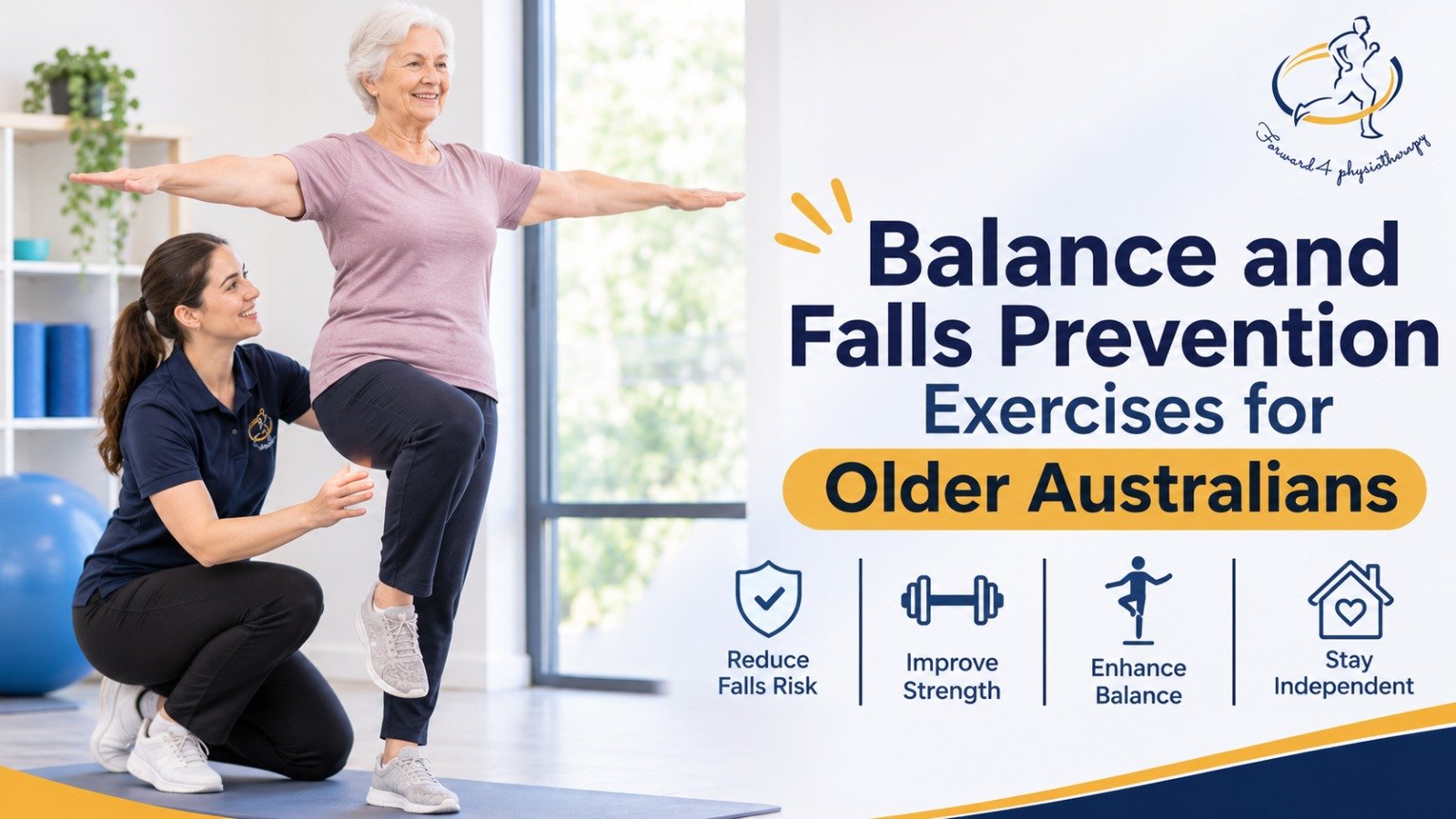
Exercises that develop balance and leg strength can help reduce falls risk. The most useful programme is one you can practise regularly and safely, with enough challenge to make progress. It should also fit your health, confidence and home environment. Standing on one leg because a video tells you to is not a suitable starting point for everyone.
Why walking alone may not cover everything
Walking is valuable activity, but it does not practise every movement needed to stay steady. Getting out of a low chair, stepping sideways around a shopping trolley and recovering from a small stumble place different demands on the legs and balance system.
A falls prevention programme often includes specific strength and balance work alongside ordinary activity. It may also address how you use a walking aid or manage steps. The aim is to make everyday movements more reliable, whether that means carrying a cup to the table or attending a weekly community group.
Falls can have several contributing causes. Medicines, dizziness, poor vision, foot problems and hazards at home may all matter. Exercise is one part of the answer, so mention these issues to your GP rather than trying to solve every difficulty with stronger legs.
Make the practice area safe first
Choose a clear, well-lit space with a firm, dry floor. Wear secure footwear and move loose mats, cords and pets out of the way. Use a fixed kitchen bench or similarly stable support. A chair that slides, rolls or tips is not dependable support for standing exercises.
If you have fallen recently, feel faint, need substantial support to stand or are uncertain about these movements, arrange individual advice before trying them. Someone nearby may be helpful, but an untrained family member should not have to catch you.
Stop if you develop dizziness, chest pain, unusual breathlessness or sharp pain. Sudden weakness or a sudden major change in balance needs medical assessment. Exercise should be planned around those symptoms, not used to test whether they go away.
Four movements to discuss with your physio
The following examples are starting points for a conversation, not a complete programme for every older adult. A physiotherapist can adjust the support, range and number of repetitions to your ability. Begin with a few comfortable attempts rather than chasing a fixed target.
Standing up from a chair
Use a stable chair positioned so it cannot slide. Sit with your feet supported on the floor, bring your body forward and stand in a controlled way. Pause, then lower yourself back into the chair without dropping down.
Use the chair arms if you need them. Your physio can help you progress towards less hand assistance when appropriate. A higher seat may be easier than a low sofa. The practical benefit is obvious each time you get up for the doorbell or leave the dining table.
Supported heel raises
Stand facing a sturdy bench, holding it for balance. Slowly lift your heels, then lower them with control. Keep the movement comfortable and avoid leaning heavily forward to create the lift.
This works the calf muscles used during walking. If standing is difficult, a clinician may suggest a seated version or another exercise first. Stop before fatigue makes you rock backwards or grip the bench to avoid losing balance.
Sideways steps along a bench
With stable support within reach, take a small step sideways and bring the other foot towards it. Continue for a short distance, then return. Keep the steps controlled and avoid crossing one foot over the other in this basic version.
Look ahead where you can, rather than bending down throughout the exercise. A physio can check that you are moving safely and choose a suitable distance. This movement resembles stepping along a kitchen bench or making room for someone in a narrow passage.
A slightly narrower standing position
Stand beside a stable support with both hands available. If your clinician agrees, practise bringing your feet a little closer together while remaining steady. Hold briefly, then return to your usual comfortable stance.
Small changes can make this harder quite quickly. You do not need to close your eyes, stand on a cushion or let go of support to prove you are improving. More advanced balance work should follow an assessment, especially if you already feel unsafe standing still.
Build a routine you can keep
Put practice at a time when you usually feel alert and have no reason to rush. A brief session after breakfast may be more manageable than saving everything for a long session once a week. Keep any written instructions where you will see them.
Record a useful change, such as standing from your usual chair with less effort. Repetition counts can help, but everyday improvements often make the programme feel worthwhile. Let your physio know if soreness, fatigue or fear is making you skip exercises; the programme may need changing.
Around Mango Hill and North Lakes, summer heat can make outdoor activity uncomfortable. An indoor routine offers another option, while cooler parts of the day may suit walking. Follow any medical advice about fluids and activity in hot weather.
Check the things exercise cannot fix
Look at the route between your bed and the bathroom. Is the lighting adequate? Are slippers secure? Is there a rug edge you routinely step over? An occupational therapist can help assess home hazards and suitable modifications where needed.
Have vision and foot concerns reviewed, and ask your GP or pharmacist whether medicines could contribute to dizziness or drowsiness. Do not stop prescribed medicines yourself. If you use a walking stick or frame, ask whether it is fitted correctly and remains suitable.
After a fall, explain what happened even if you feel embarrassed or were not badly hurt. A blackout, head injury or inability to get up can require urgent care. Repeated near-falls are also worth reporting.
Getting confidence back gradually
Forward 4 Physiotherapy’s balance and strength services provide a relevant starting point for local people who want an individual assessment. Bring examples of the situations that worry you, including steps, getting out of bed or walking outside.
A good plan should tell you what to practise, what support to use and when to review progress. You can work towards the activities that matter to you without turning every exercise session into a test of nerve.